
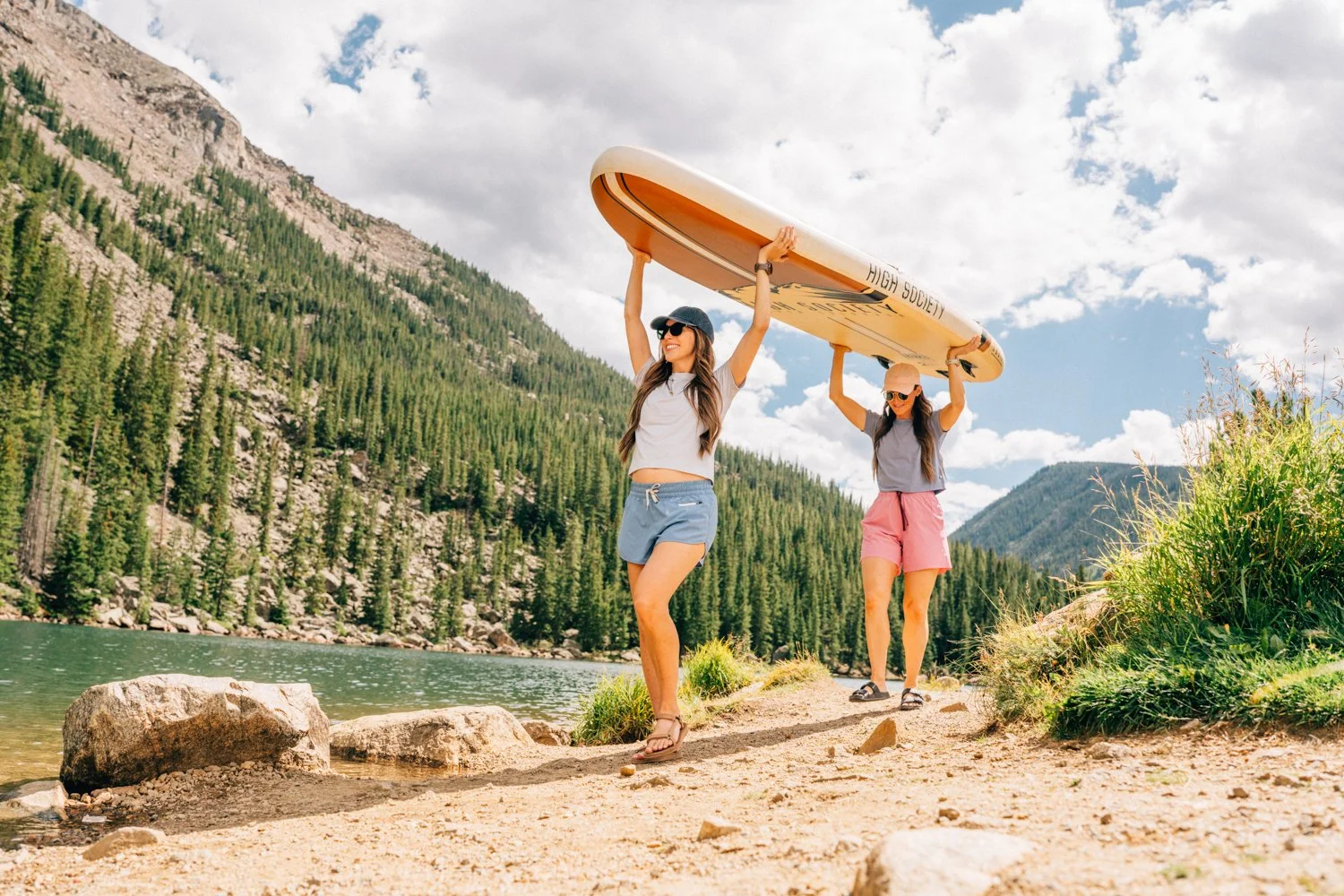
On the Water
Guided whitewater, lake paddles, and time well spent along the shore.
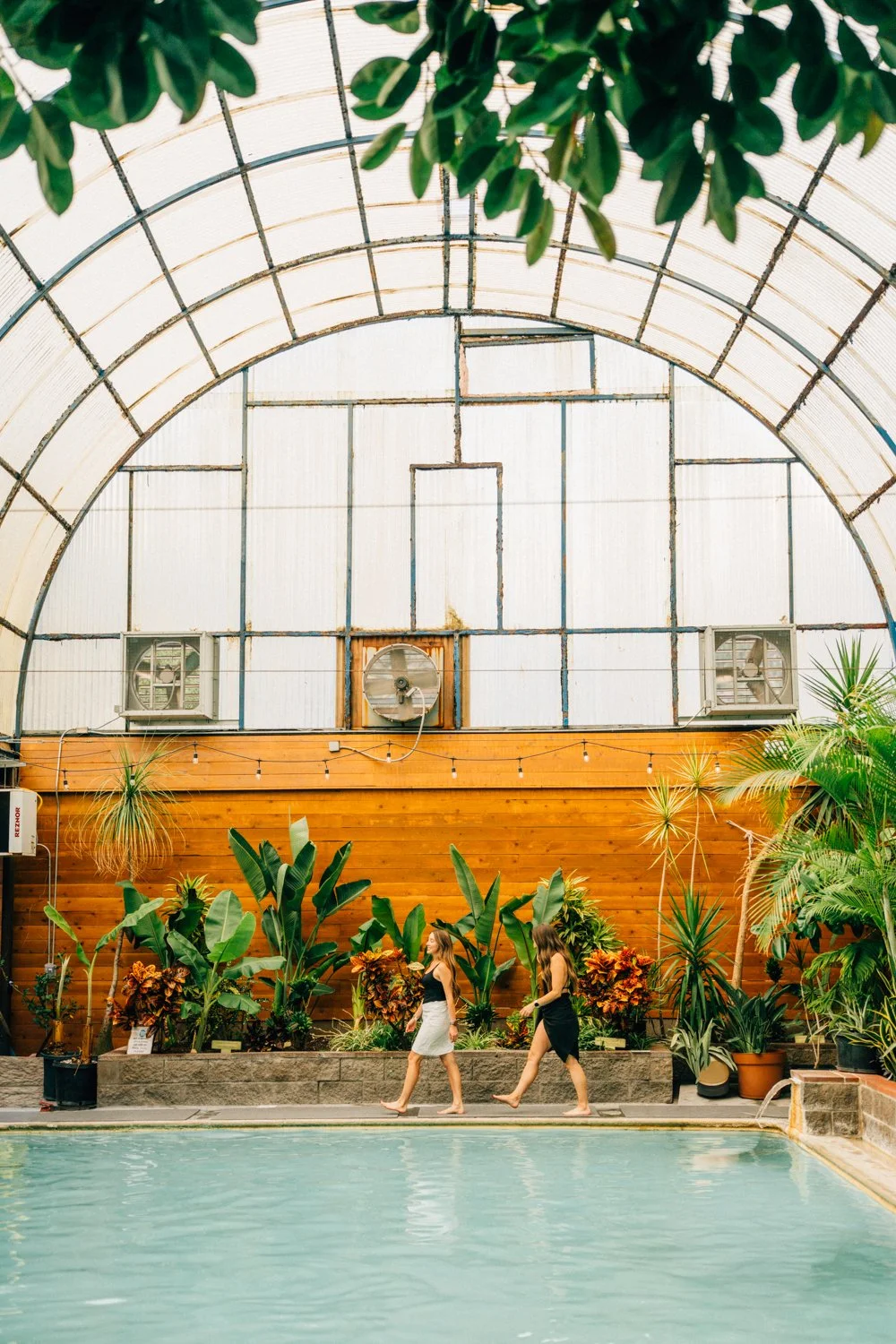
Water Therapy
The slower side of the water.
Sink into warm mineral water, breathe in the mountain air and give tired legs a well-earned afternoon off.
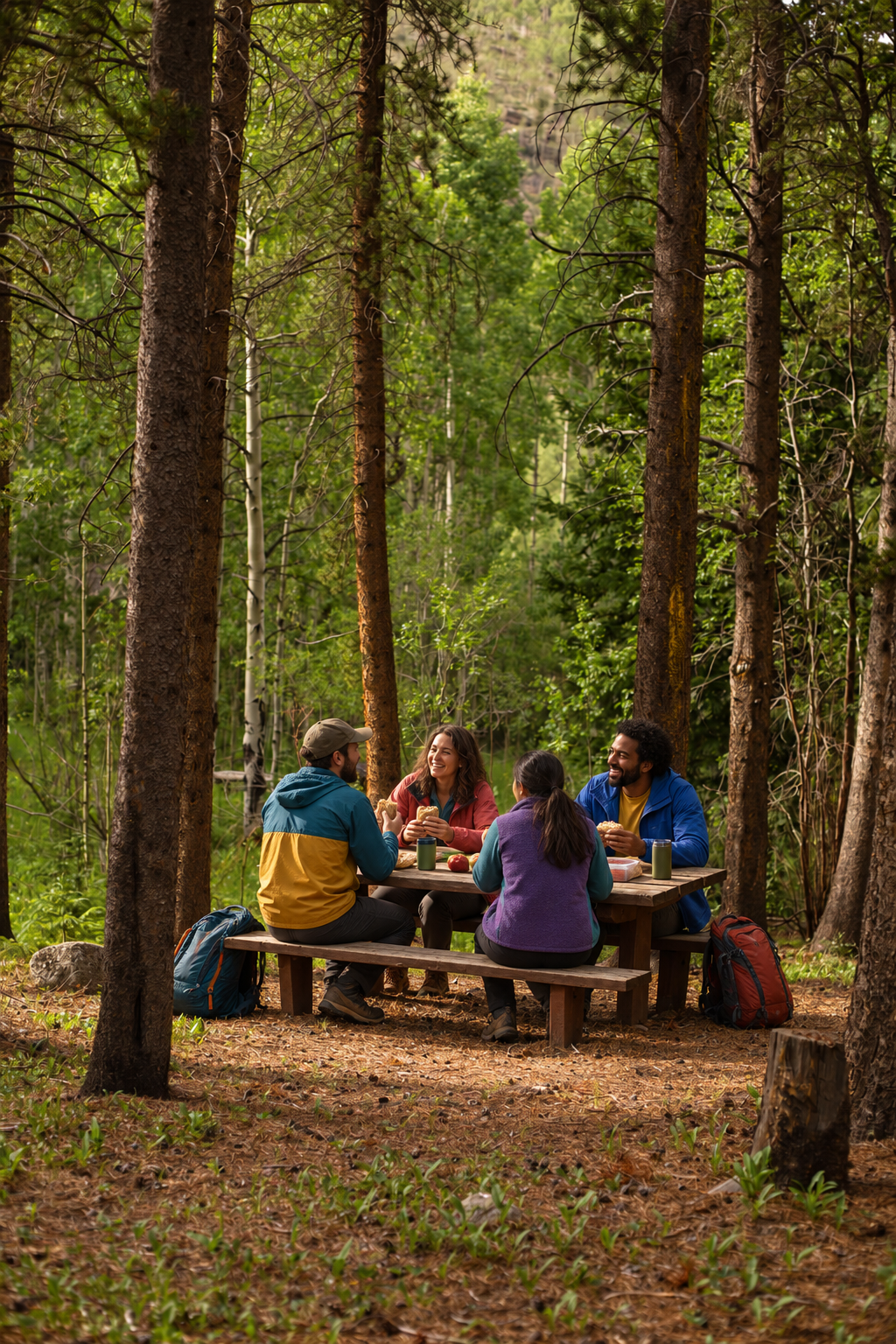
Creekside and Picnic Spots
Lunch sounds better by the water.
Pack something good, find a shady spot and let the creek fill the silence. No reservations. No agenda. Stay as long as you like.
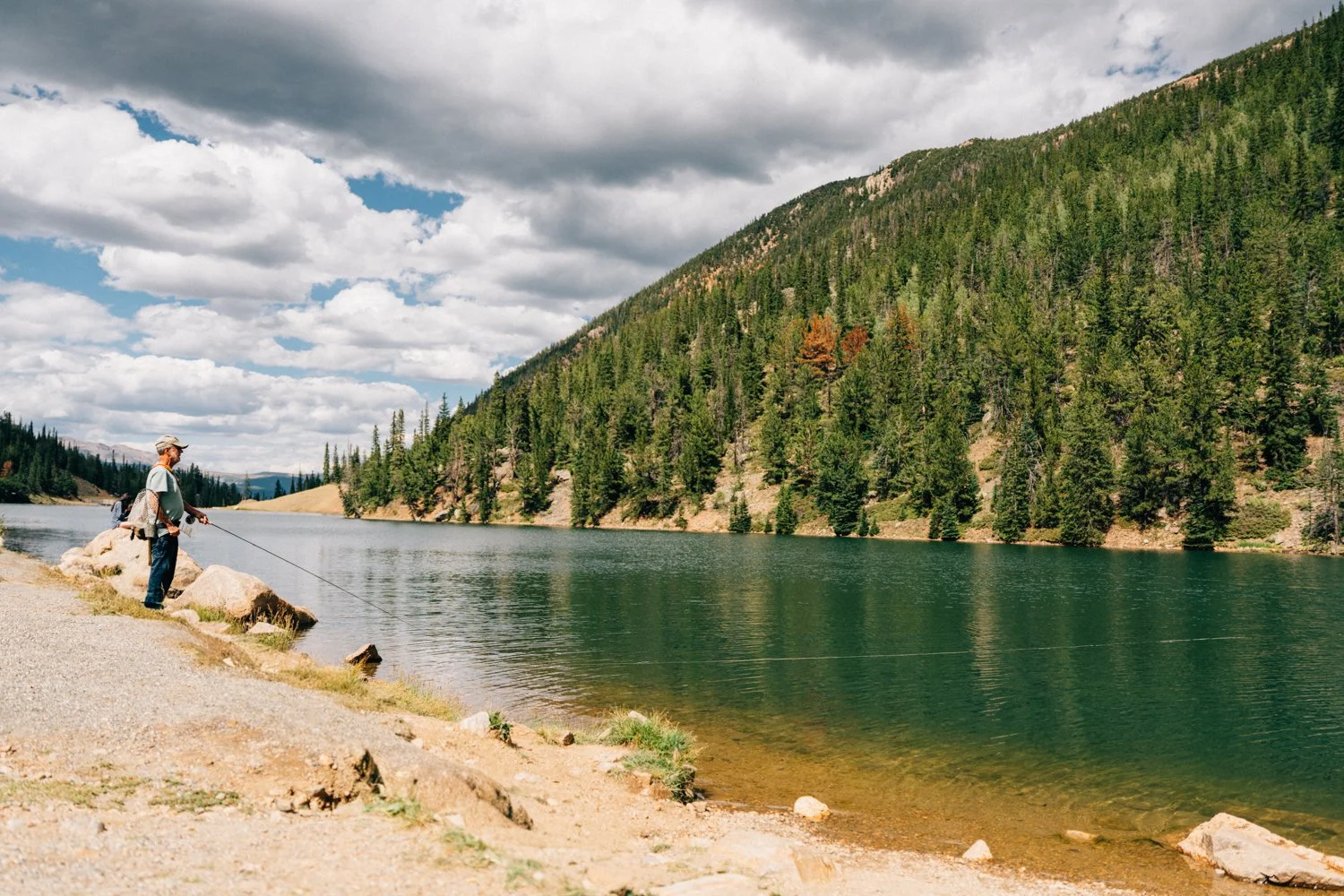
Fishing
Find a quieter stretch.
Cast into a rushing creek or settle beside an alpine lake. Catching something is nice. Losing track of time works too.
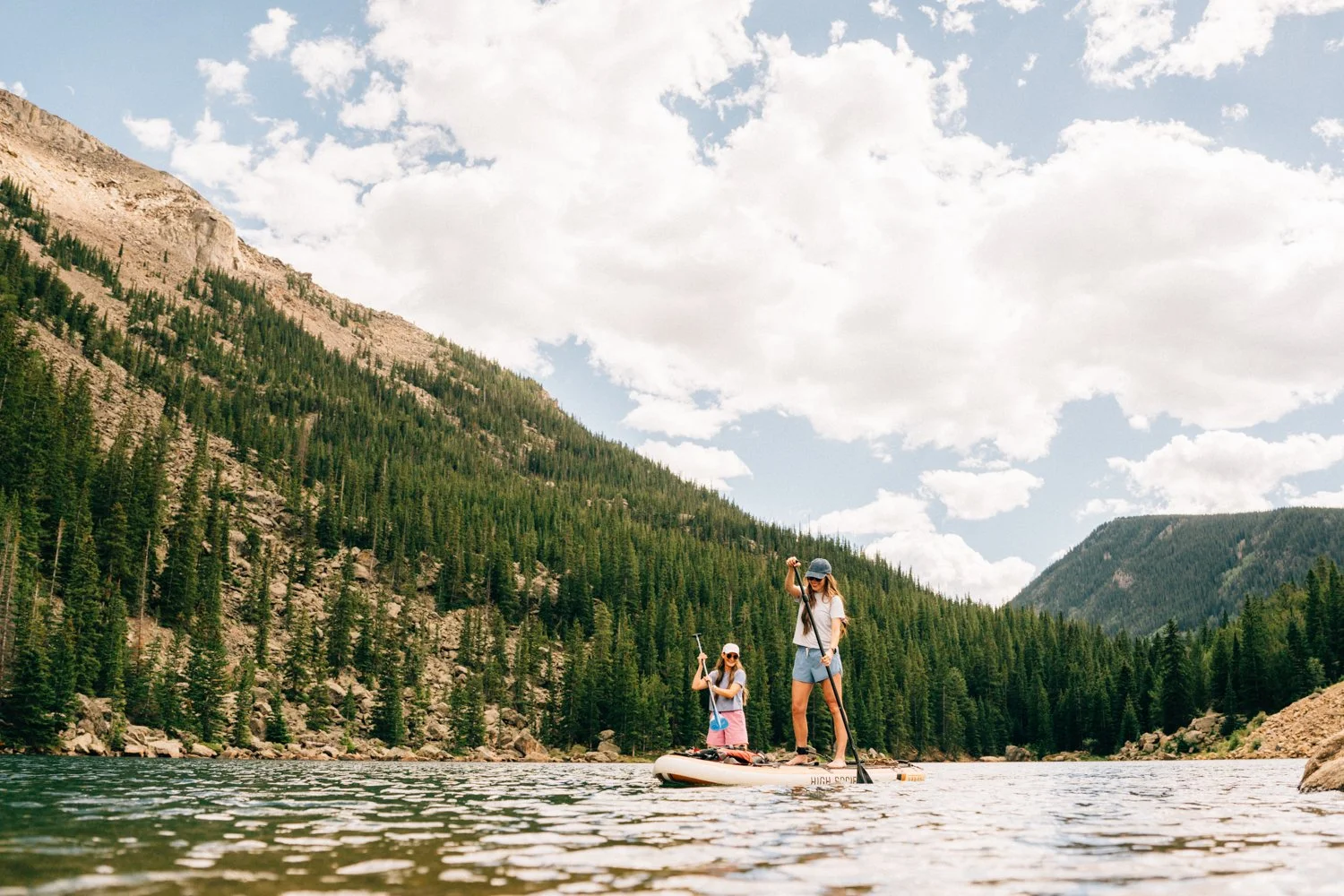
Paddleboarding & Kayaking
A little more room to drift.
Trade the current for calmer water and an easy paddle beneath the mountains. Bring your balance. Falling in is optional.
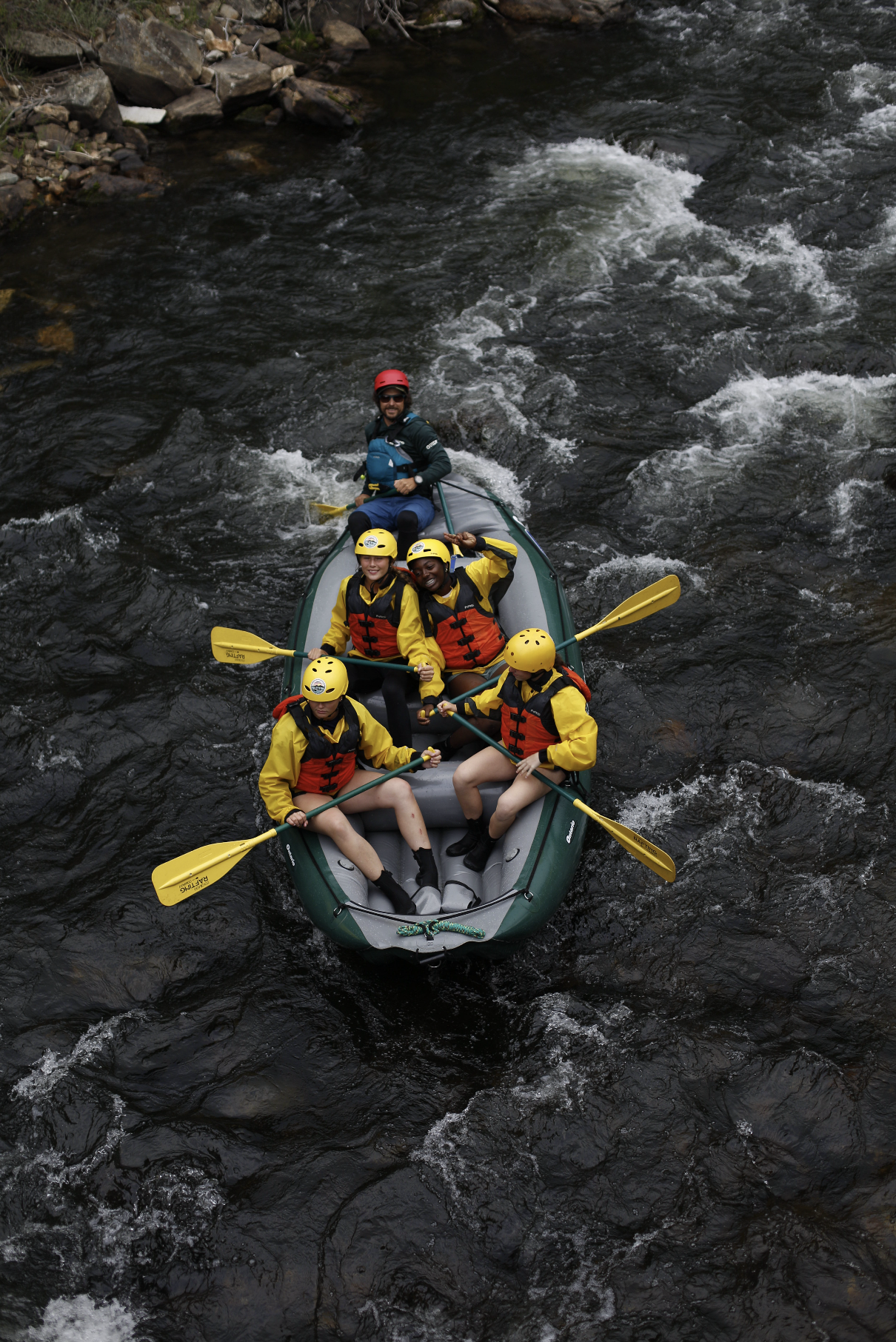
Whitewater Rafting
Let the creek set the pace.
Choose a first-timer-friendly float or step up to bigger rapids. Local guides handle the hard part. You bring clothes that can get wet.
Wear your life jacket. Every time.
Check before you go. Review weather, water levels, closures, and posted rules. Return to shore before wind or storms arrive.
Dress for the water. A warm afternoon can still mean cold water. Choose appropriate immersion protection and bring dry layers.
Build your skills. Start with a paddling lesson. For rafting, work with a Colorado-licensed outfitter to choose a trip suited to your group and current conditions.
Look out for each other. Paddle with a companion, tell someone your route and return time, and keep young children within arm’s reach near water.
Keep a clear head. Save alcohol for after everyone is off the water.
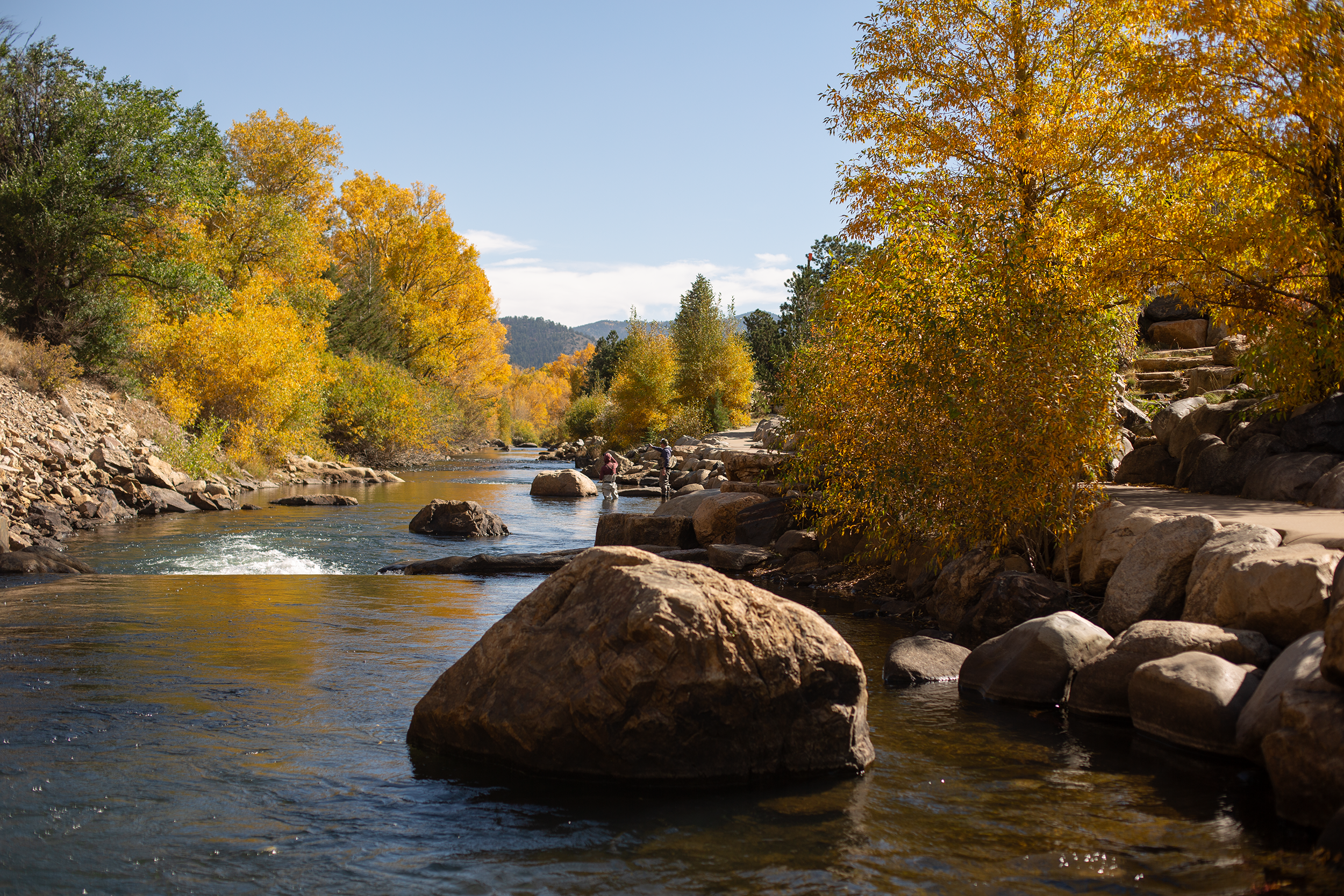
Leave good water for the next person.
Stay on established paths and use designated access points to protect the banks. Give wildlife and other visitors room, respect private property, and pack out everything you bring, including fishing line and pet waste. Clean, drain, and dry your boat, board, and equipment between outings to help prevent the spread of aquatic invasive species.
Find your spot by the water.
Some access points lead to lake paddling. Others serve whitewater boaters, anglers, or people enjoying the creek from shore. Choose a location for your activity and experience. Public access does not mean the water is suitable for swimming.
-
Developed boat launches, parking, restrooms, and changing facilities.
Moving-water recreation requiring appropriate skills and equipment. This is a whitewater access point.
-
Boat-launching facilities, fishing access, parking, and restrooms.
River access for prepared boaters and anglers. Assess the river section before entering.
-
Fishing access, parking, and a restroom beside the Clear Creek Greenway.
Fishing and time along the creek.
-
A concrete path following Clear Creek, fishing access points, and a trailhead restroom.
A creekside walk or fishing from designated access areas.