
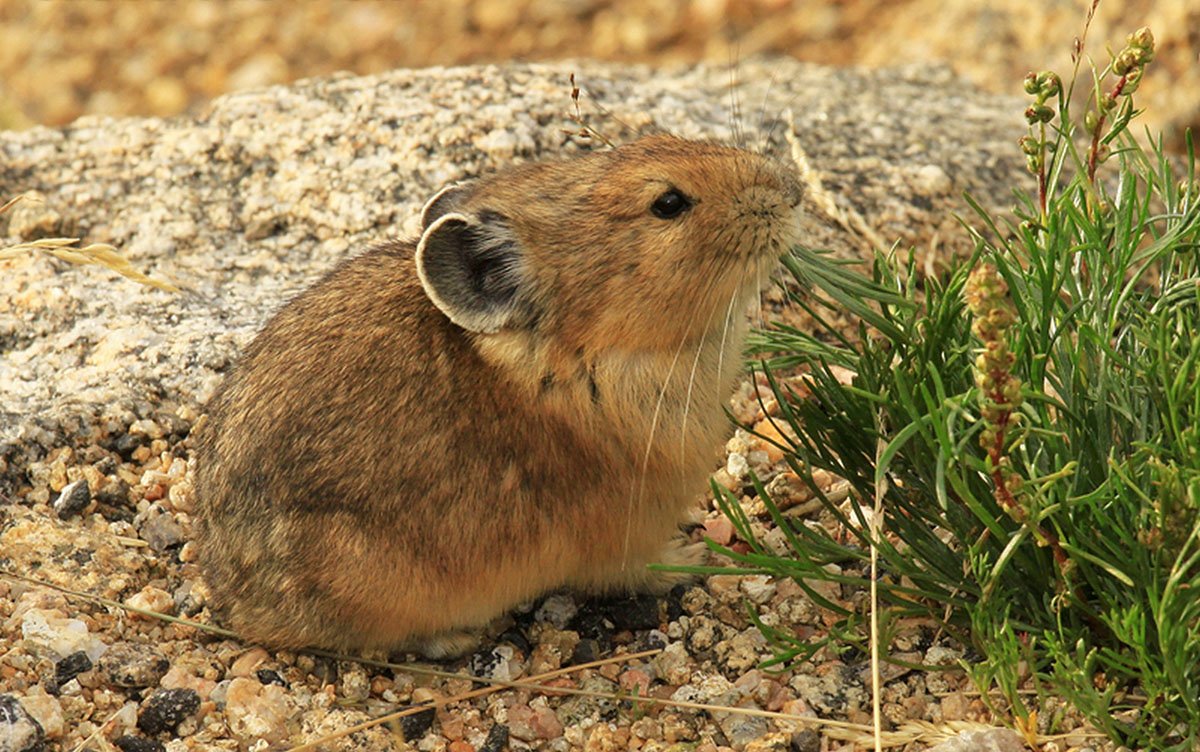
WILDLIFE VIEWING IN CLEAR CREEKBring your binoculars. Leave room for wonder.
What to ExpectA bighorn sheep on the hillside. A pika calling from the rocks. Your kid spotting something before you do. Wildlife watching in Clear Creek starts with slowing down and paying attention. Give animals plenty of space, let sightings happen naturally, and make a day of the little things you notice.
Watch without changing their day.
The best wildlife encounter lets an animal carry on as though you aren’t there.
Use your zoom.
Watch through binoculars or a long lens. Never approach for a photo. If an animal stops feeding, watches you closely, or moves away because of you, give it more space.
Give families extra room.
Stay away from nests, dens, and young animals. Never get between an animal and its young.
Park before you look.
Use designated parking and viewing areas. Never stop in traffic or pull onto the interstate shoulder for a sighting.
Keep snacks for people.
Never feed or bait wildlife, including chipmunks. Secure food and trash, and pack out every scrap.
Keep children close.
Leave pets at home for wildlife outings when possible. Where dogs are allowed, keep them leashed and well away from animals, especially moose.
Respect their space.
Stay on trails, follow closures, and let animals move freely. Never follow, surround, or try to make them move for a photograph.
Make the outing a whole day.
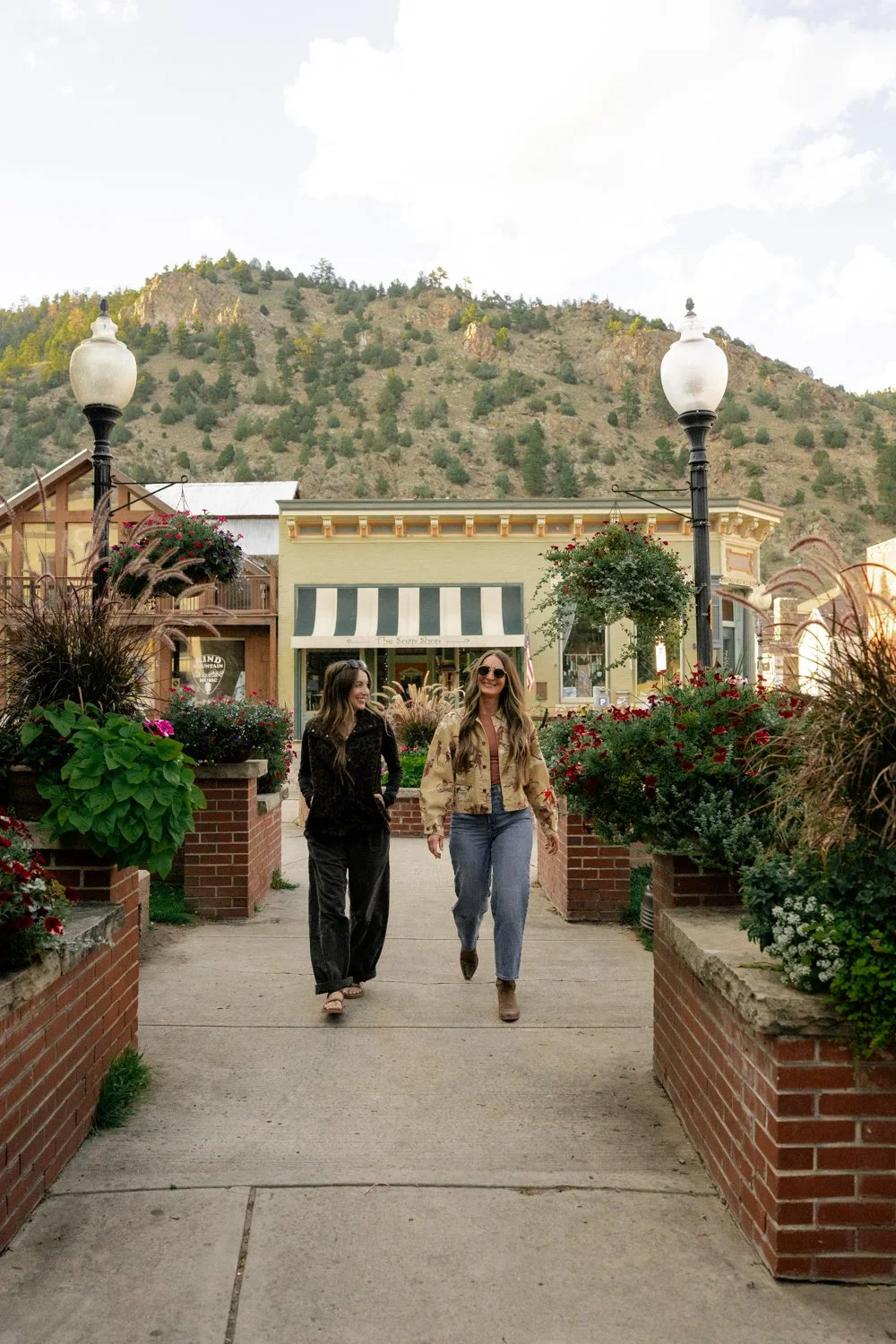
Start with coffee in Empire or Idaho Springs. Pick up lunch from a local café before heading out, then return to town for a warm meal and a look through the shops. A field guide, a locally made gift, or a print of the mountains makes a good reminder of the day.

MEET OUR WILD NEIGHBORS
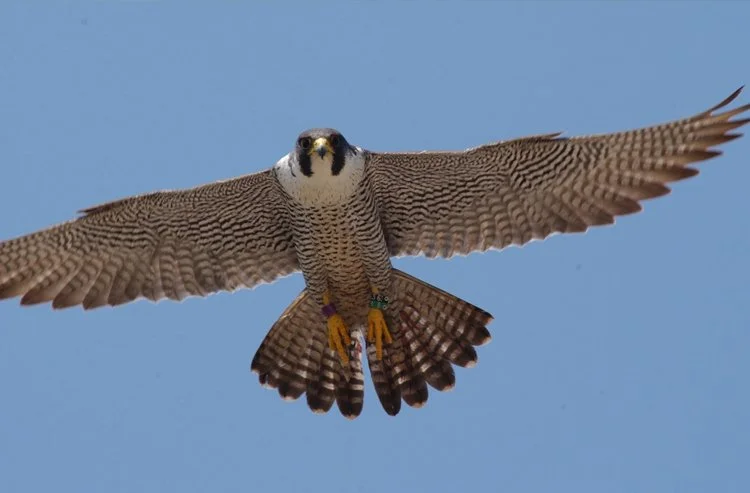
AMERICAN PEREGRINE FALCON
Long, pointed wings and quick flight distinguish this cliff-dwelling falcon. Watch the sky from a distance, and give nesting cliffs plenty of room.
A reason to look up.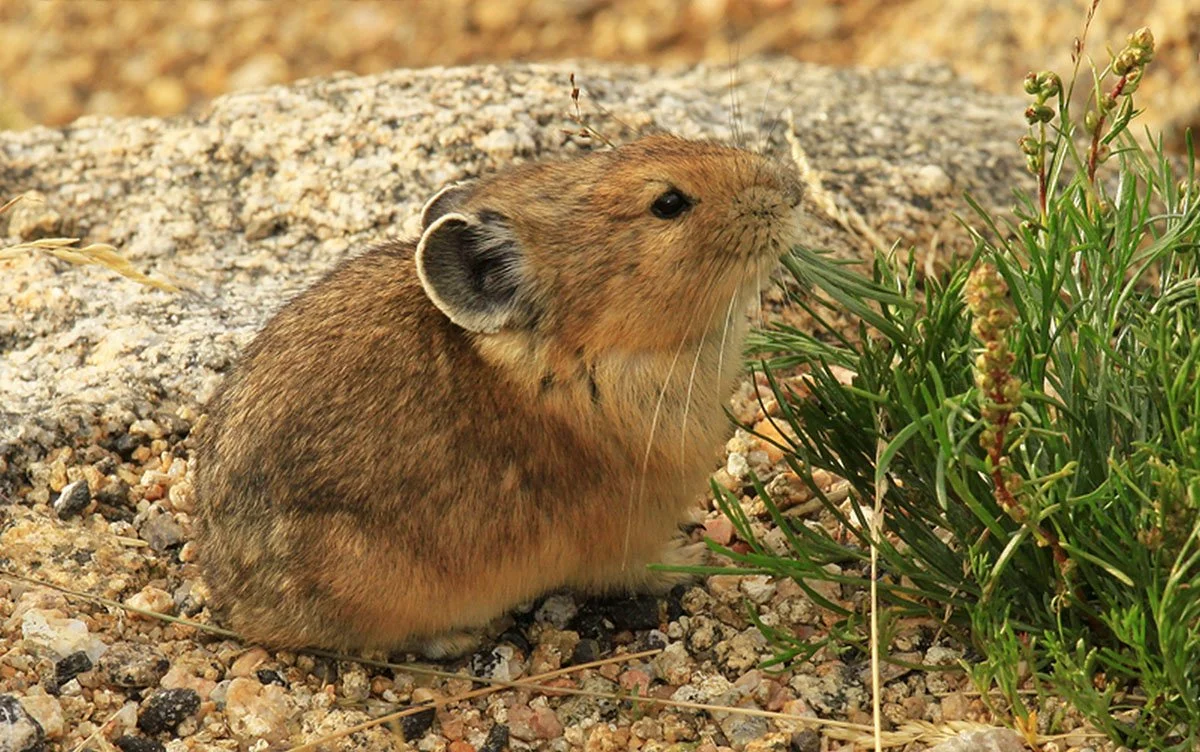
AMERICAN PIKA
You may hear a pika before you see one. These small rabbit relatives live among alpine rocks, gathering plants into hay piles for winter.
A small voice in the high country.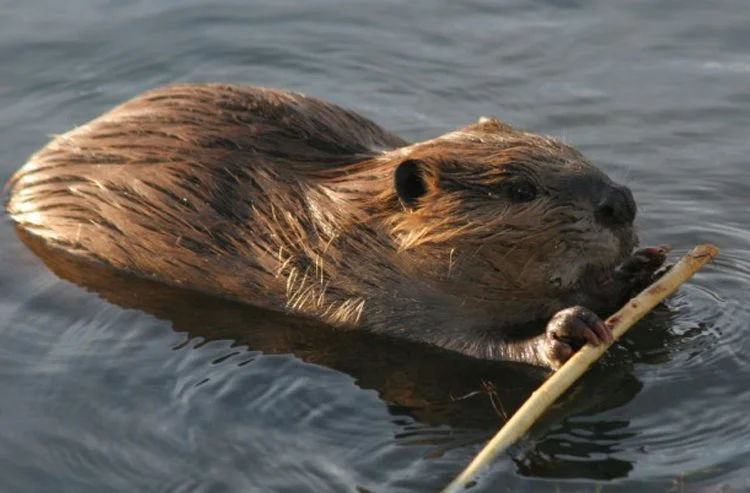
Big changes. Small builder.BEAVER
Gnawed branches, ponds, and dams can reveal a beaver’s work before the animal appears. Watch from the bank without disturbing lodges or blocking its path.
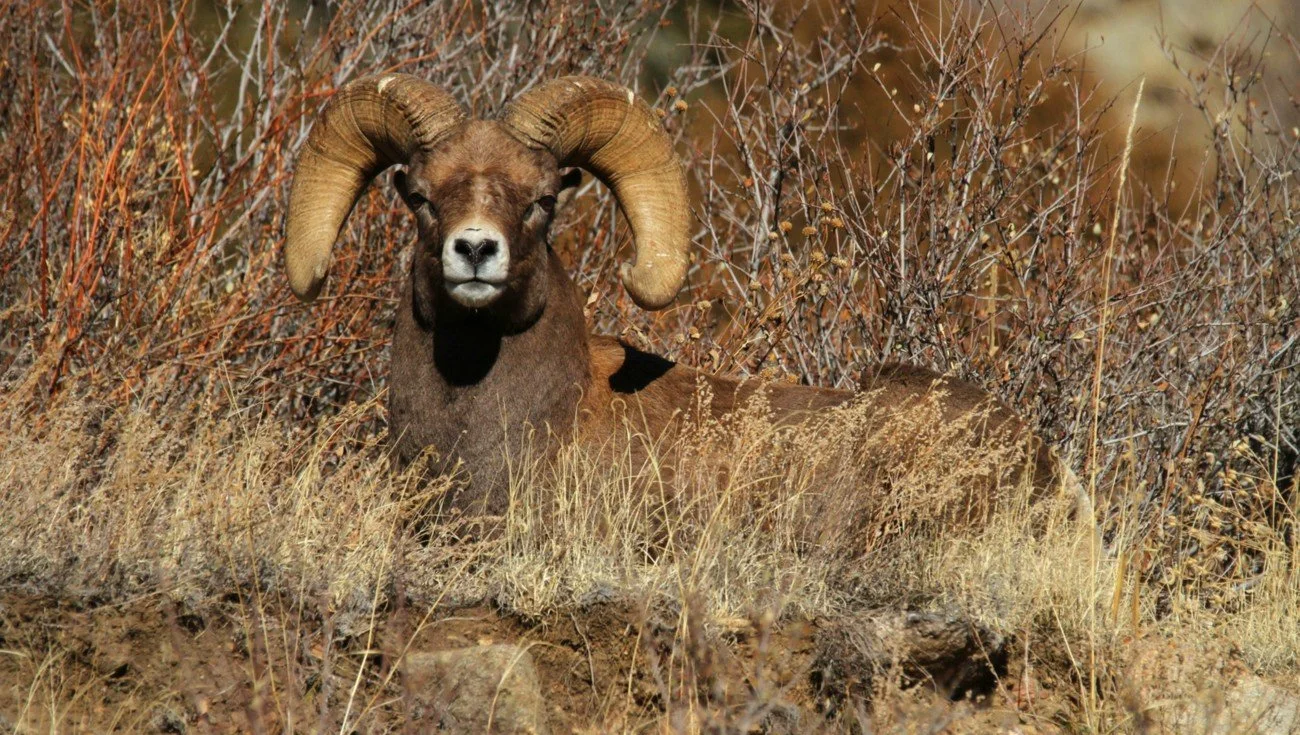
At home on the steep stuff.BIGHORN SHEEP
Scan rocky hillsides for bighorn sheep, with their sturdy bodies and curved horns. Use designated viewing areas and a long lens instead of moving closer.
BLACK BEAR
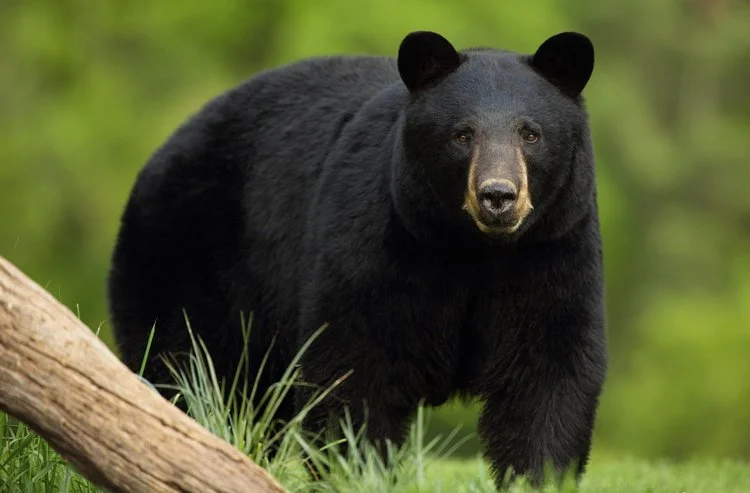
Black bears share Colorado’s forests and sometimes pass through mountain communities. Give them space, secure food and trash, and never offer a snack or approach for a photo.
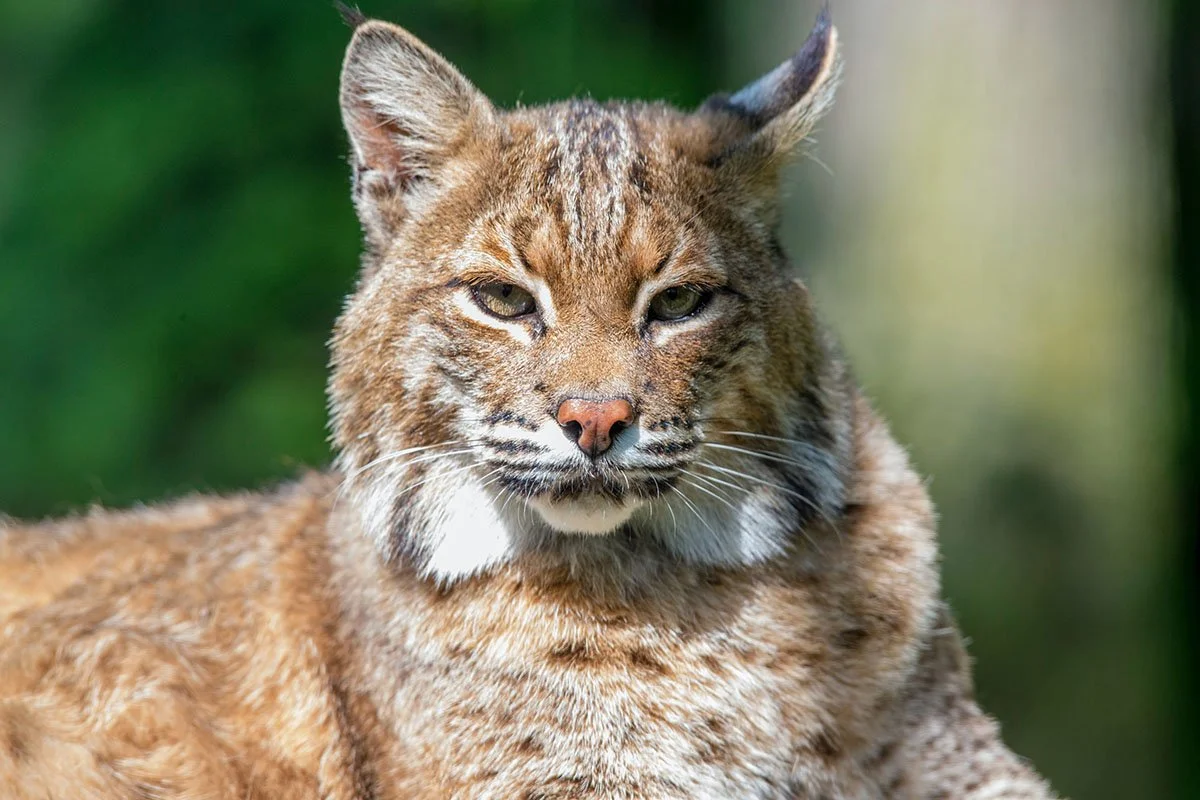
A wild neighbor with a powerful nose.BOBCAT
A short tail and spotted coat help identify this elusive wild cat. Bobcats favor brushy canyons and woodlands. If one appears, let it pass undisturbed.
A quiet glimpse between the trees.Lead EngineerCHIPMUNKS
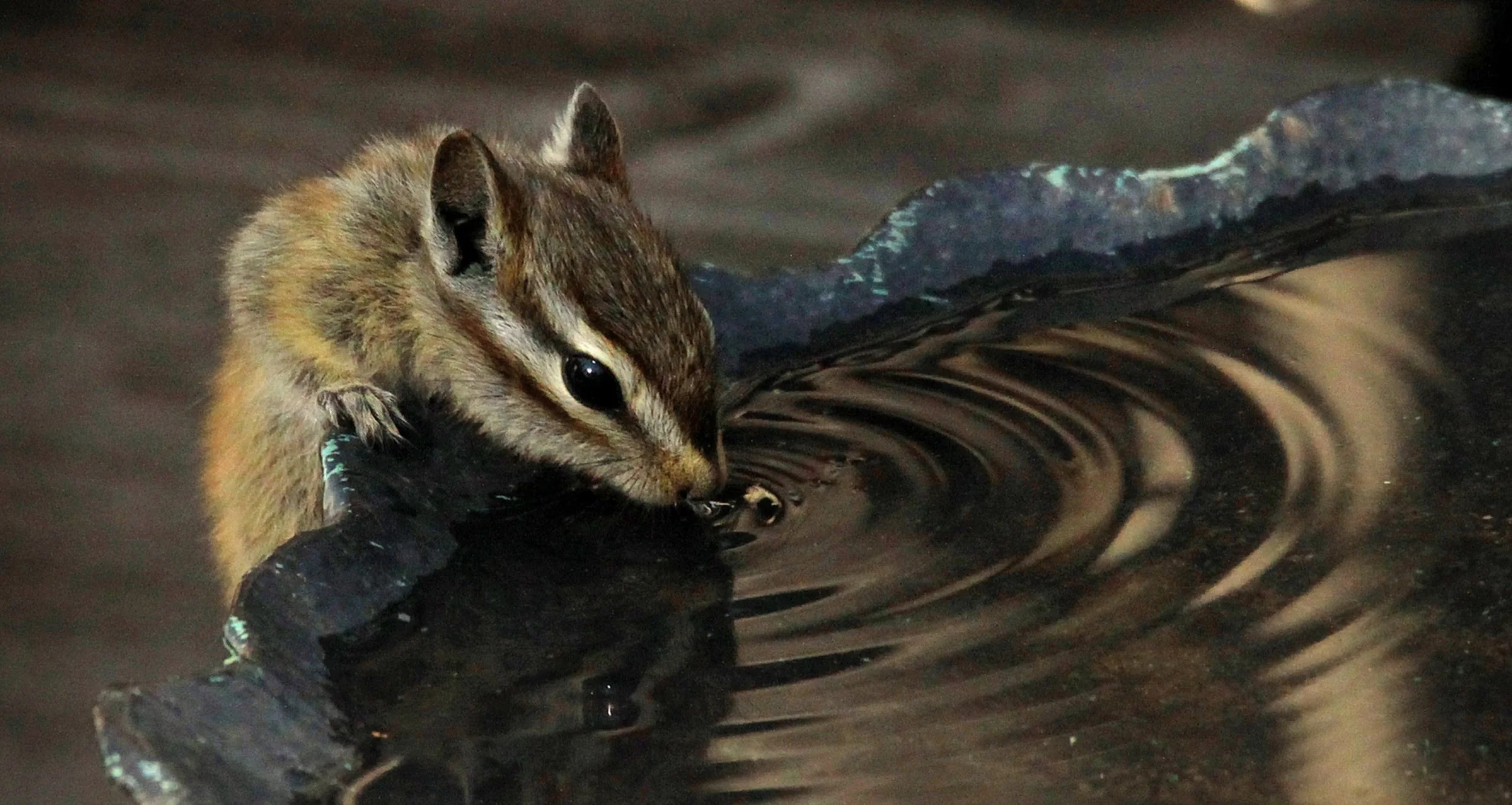
Watch for striped faces and quick movements around rocks and forest floors. Enjoy their activity from a distance, and keep trail snacks tucked away.
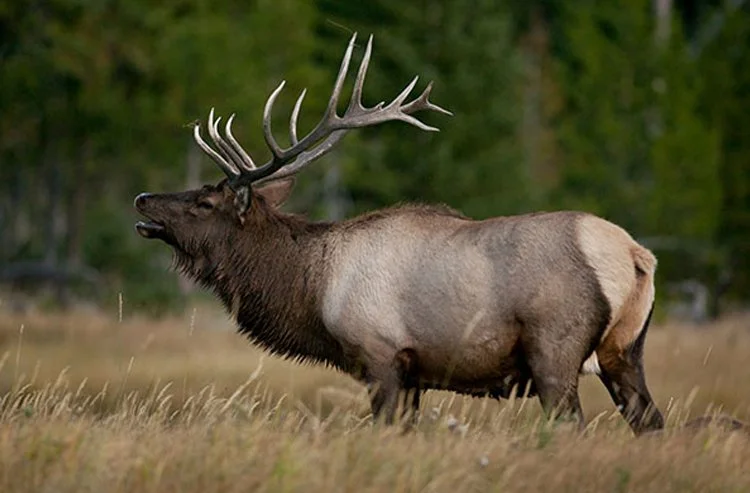
A little stillness. A larger discovery.COLORADO ELK
Elk move between forests and open feeding areas, sometimes gathering in herds. Watch from well back and give them extra space during calving and the fall mating season.
FOX
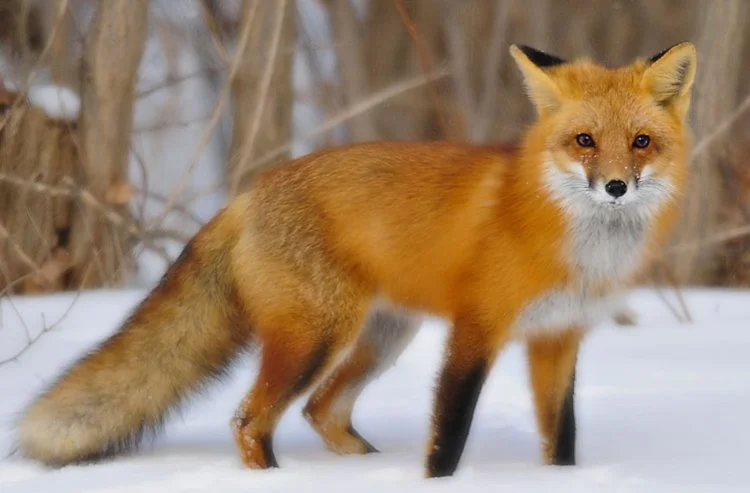
A bushy tail, pointed ears, and a careful pounce might reveal a fox hunting small prey. Let it go about its day without following or feeding it.
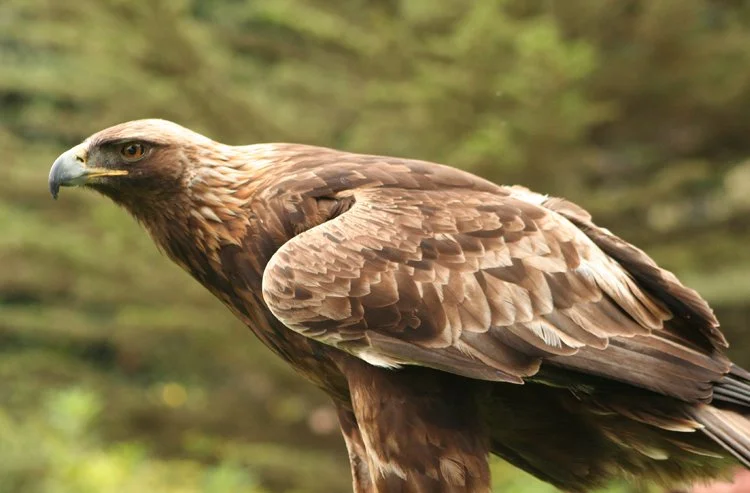
A passing flash of fur.GOLDEN EAGLE
Watch for a large, dark raptor circling above open country and rocky slopes. Golden feathers at the back of its head give this eagle its name.
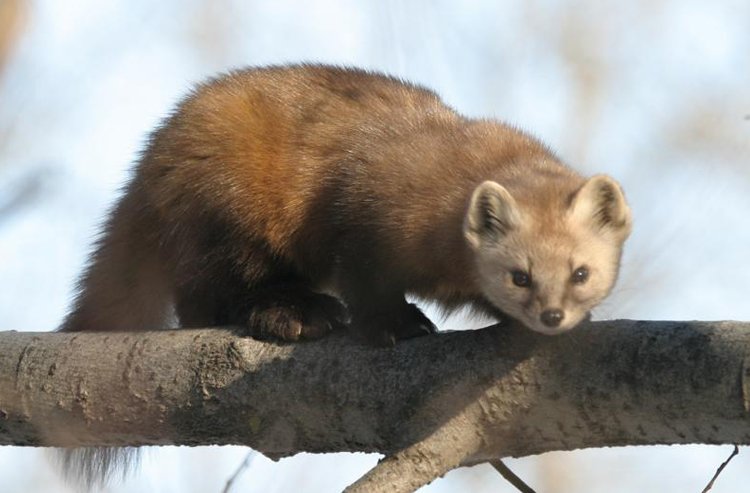
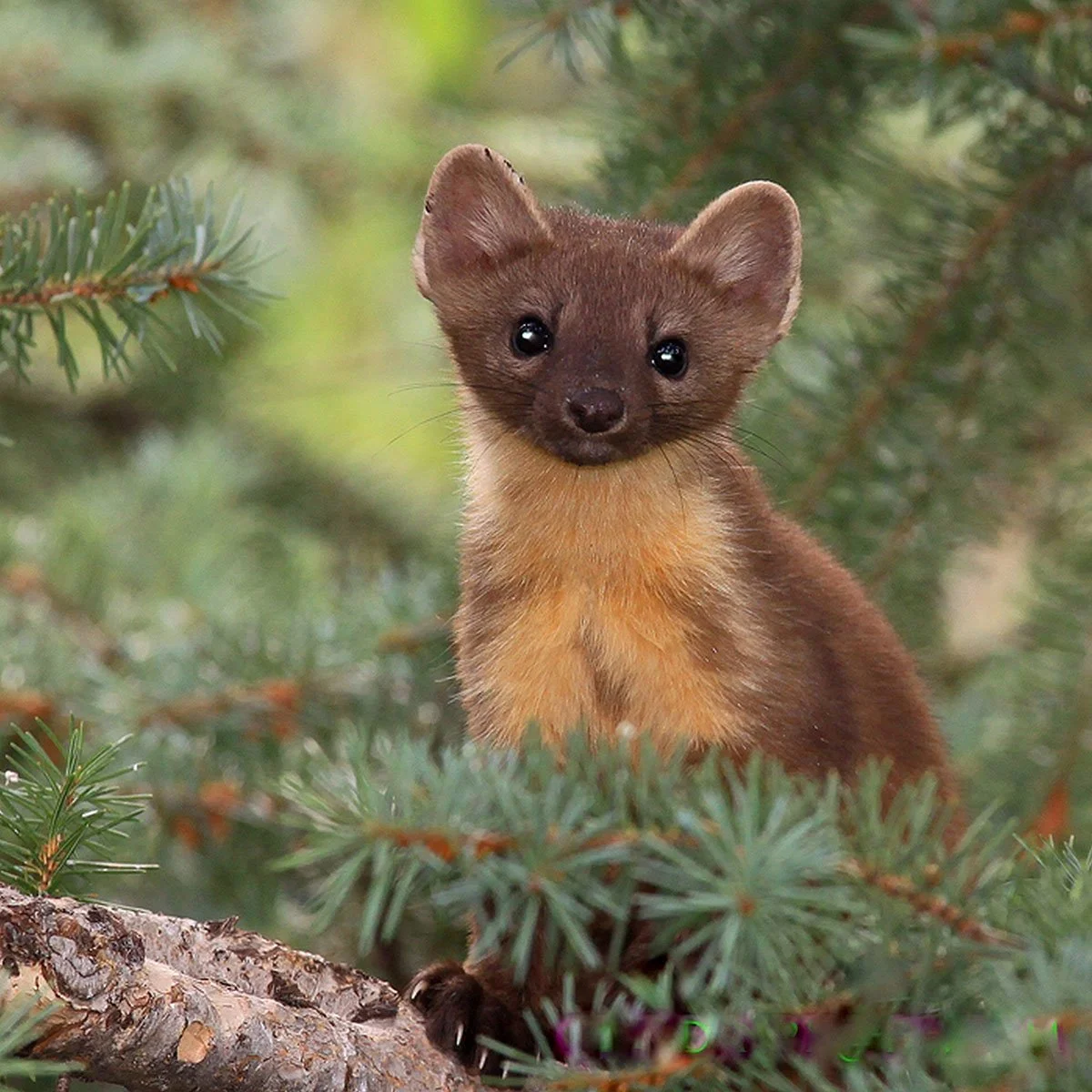
Wide wings. Open sky.A quick glimpse in the evergreens.MARTEN
This slender member of the weasel family lives in mountain conifer forests. Watch for movement among branches and fallen logs, without searching tree hollows or disturbing shelter.
Life along the water’s edge.MINK
A sleek brown body moving beside a pond or stream could be a mink. These capable swimmers hunt near water. Stay back and leave banks undisturbed.
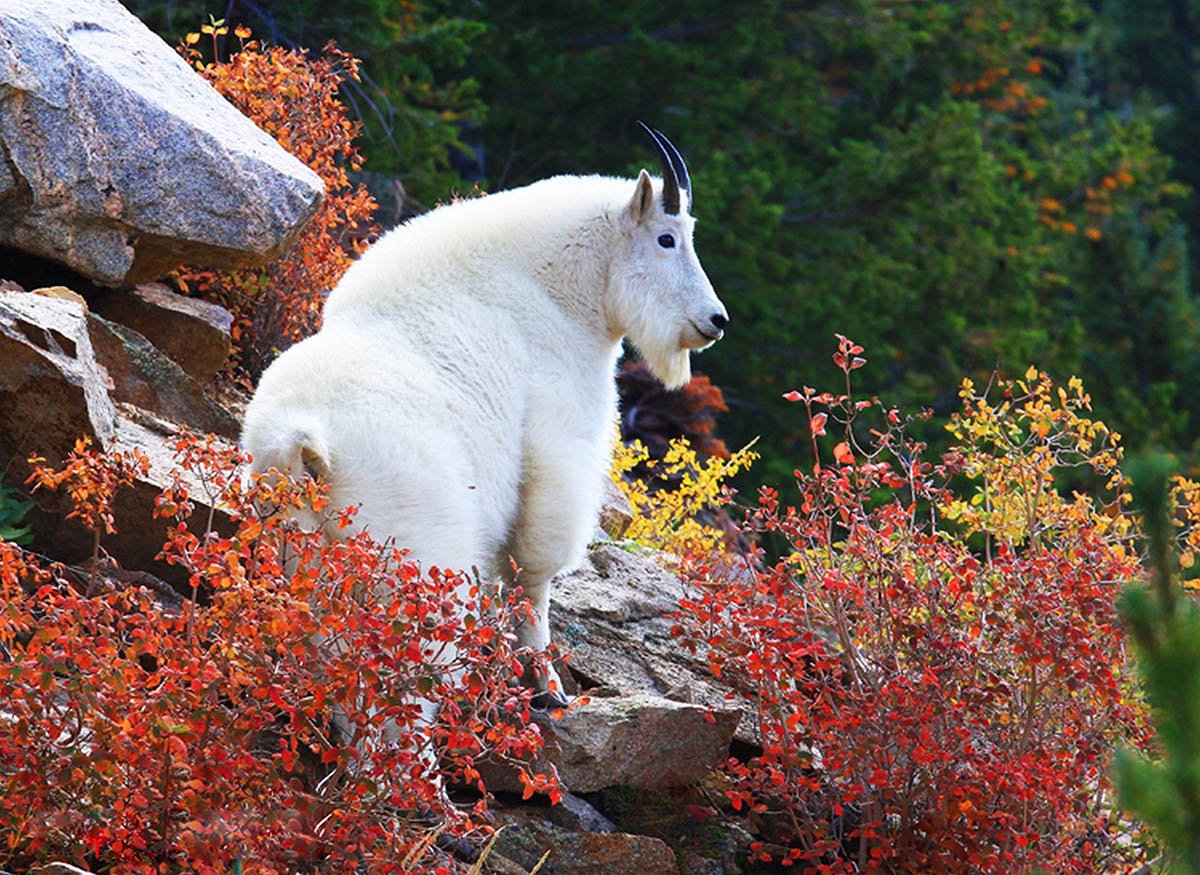
MOUNTAIN GOAT
White coats, dark horns, and sure footing help mountain goats stand out on rocky slopes. Watch from established trails and give them room, even when they seem comfortable nearby.
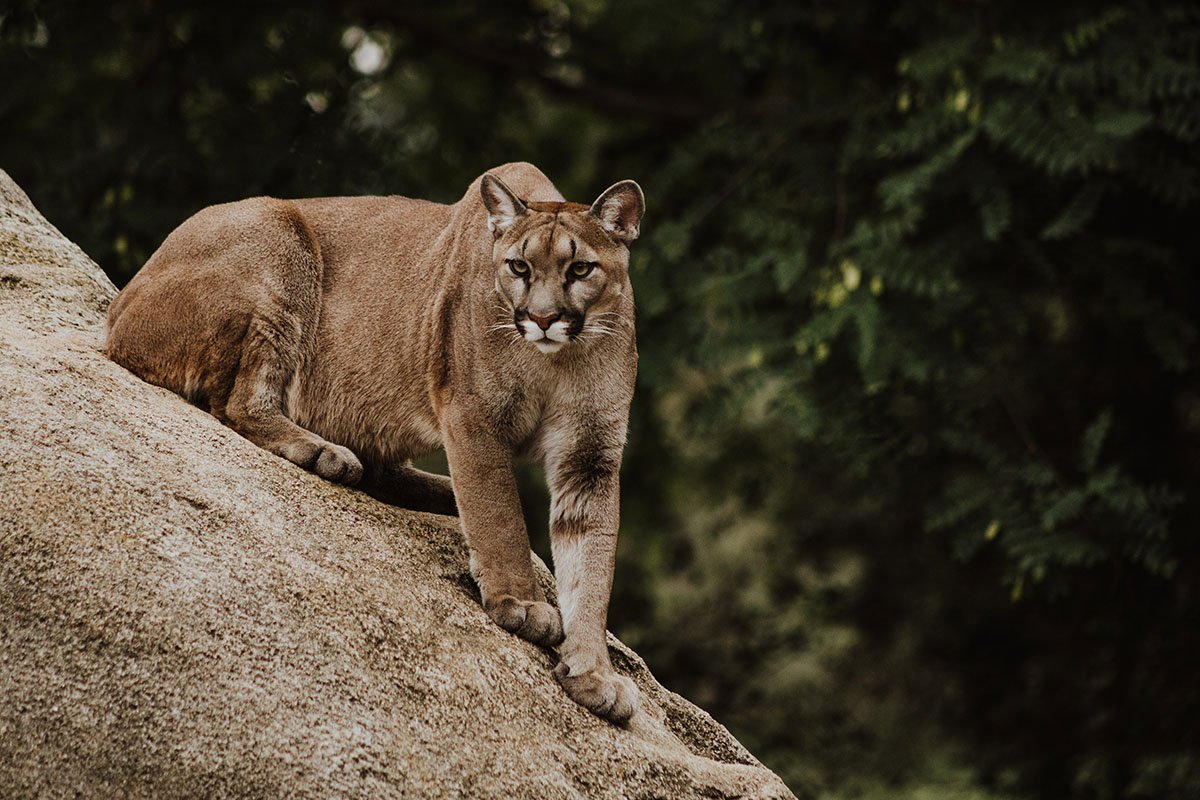
Built for the high country.MOUNTAIN LION
These large, long-tailed cats are seldom seen. Stay alert and keep children close. If you encounter one, do not approach or run; follow wildlife encounter guidance.
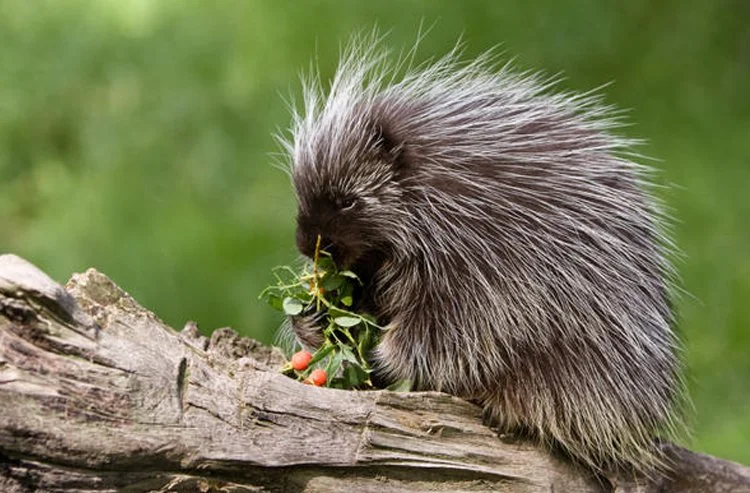
Part of the landscape, usually out of sight.Taking the forest at its own pace.PORCUPINE
Look for a rounded, quill-covered shape in trees or moving through woodland. Porcupines cannot throw their quills, but people and dogs should still give them plenty of space.
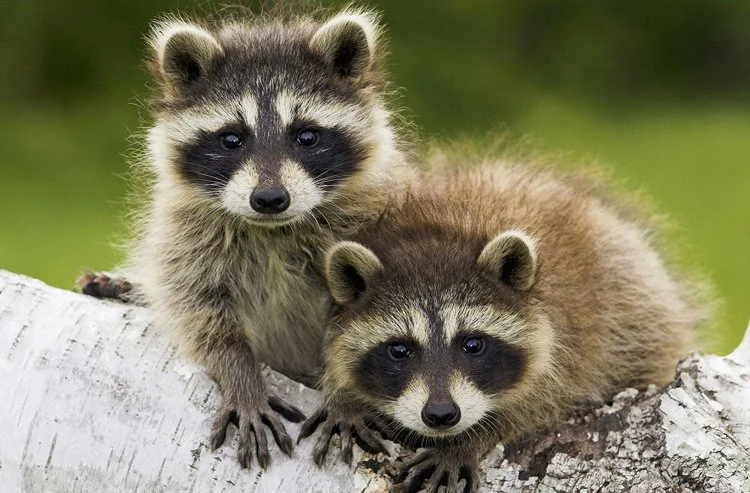
A familiar face with wild habits.RACCOON
A dark facial mask and ringed tail make raccoons recognizable. Keep food and trash secured, and remember that a familiar-looking animal still needs its distance.
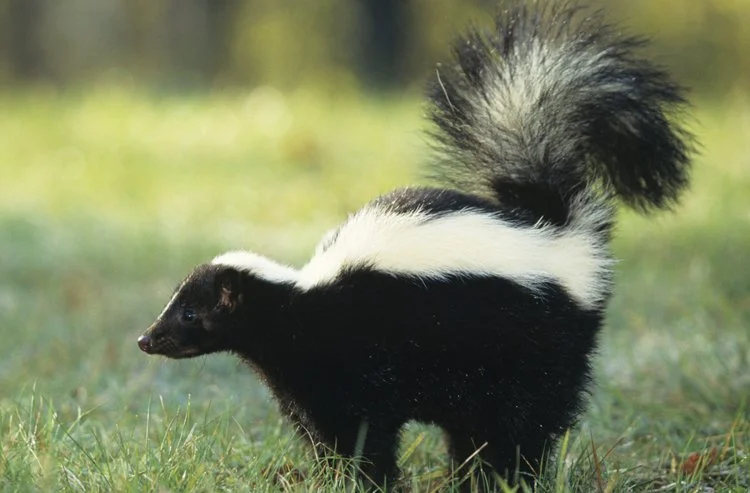
SKUNK
Black-and-white markings offer a clear reminder to keep your distance. Skunks forage for insects and other food. Let them pass, and keep curious pets away.
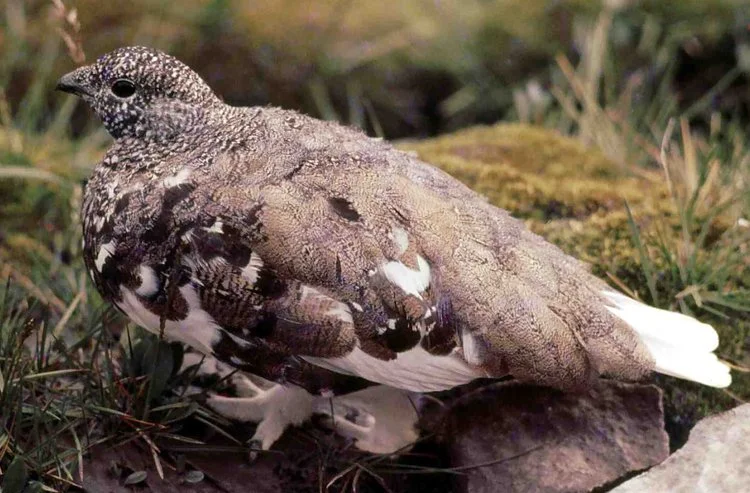
Easy to recognize. Worth giving room.WHITE-TAILED PTARMIGAN
Speckled in summer and white in winter, this alpine bird blends into its surroundings. Watch patiently from established trails, protecting both the birds and the plants underfoot.
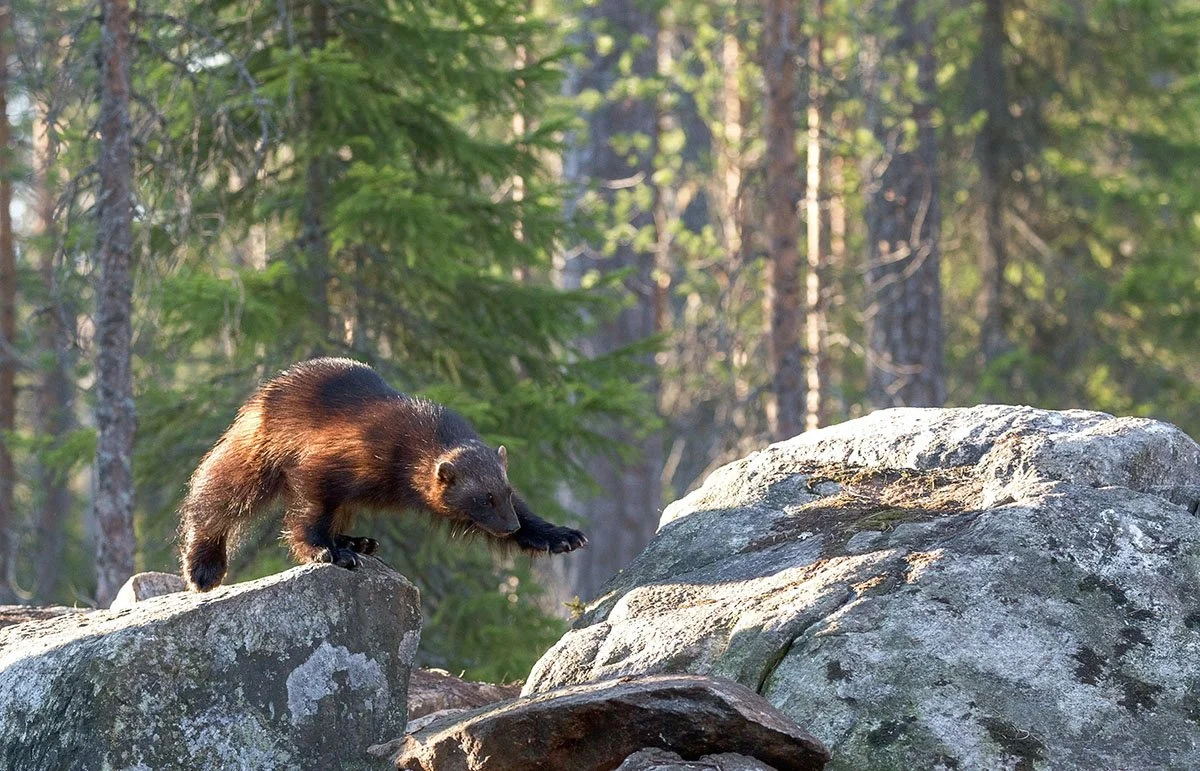
Look closely. Stay on the trail.A place in Colorado’s wild history.WOLVERINE
Wolverines once inhabited Colorado, and restoration efforts are underway. With no known population currently in the state, their story belongs in conservation education rather than a local viewing itinerary.
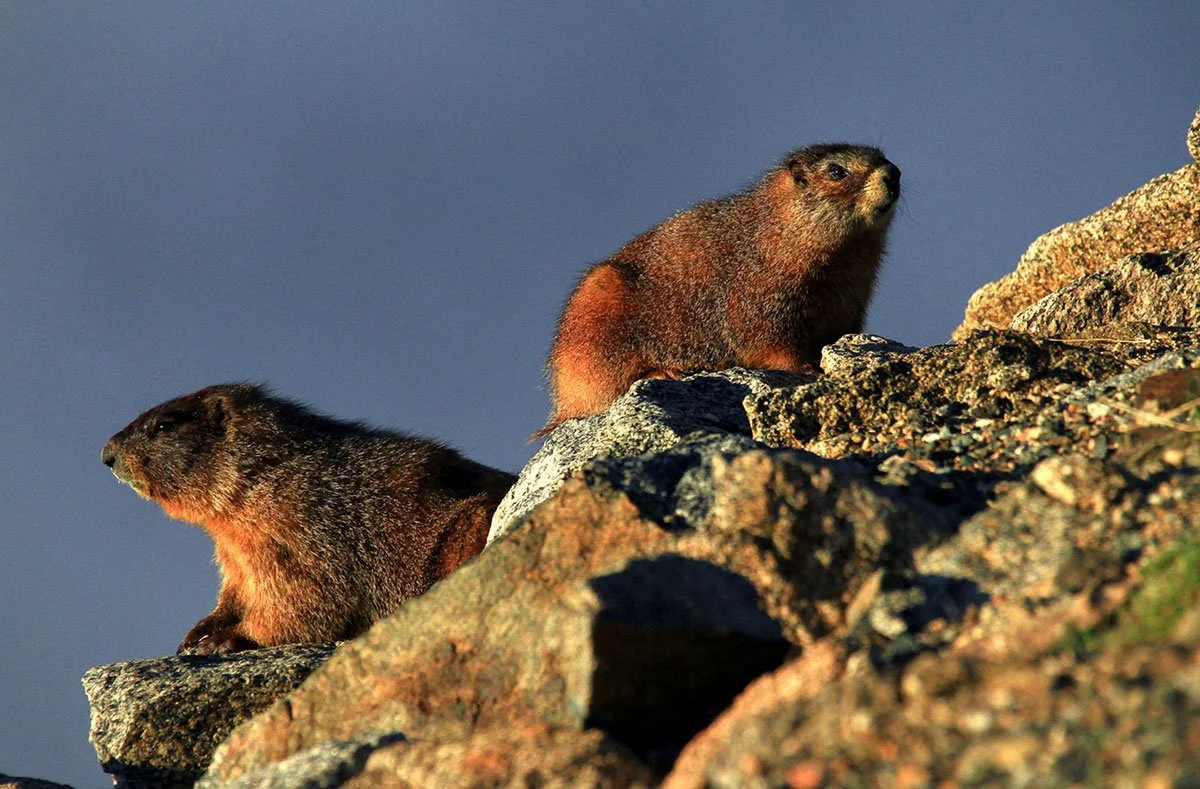
A sunny rock. A watchful neighbor.YELLOW-BELLIED MARMOT
These sturdy rodents often perch on rocks near mountain meadows. Listen for a sharp warning whistle, watch from a distance, and let them find their own food.
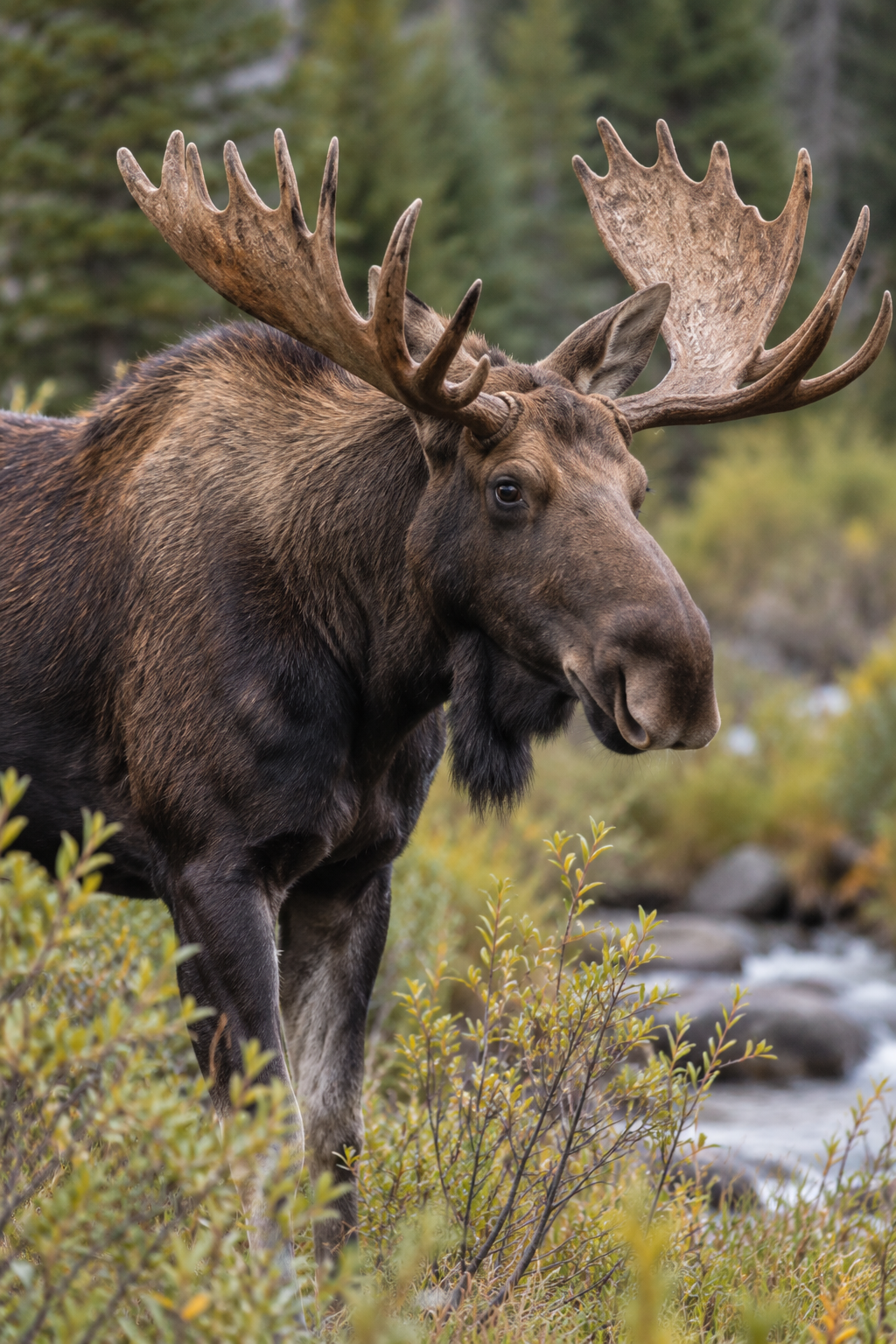
MOOSE
Long legs, broad shoulders, and a sweeping muzzle make moose hard to miss. You may spot one near willow-lined creeks, wetlands, or forest edges in Clear Creek County. Give moose plenty of space, keep dogs close, and take another route if one is on the trail.
At home in the willows.